Start with the end use

Find the adhesive by application, substrate and process.

Choose the closest production route below. Each page connects the material, process, failure mode, product options, testing plan and sample information.

14 customer entry points

Choose the closest production route

If none of these routes fits, send the actual substrate and process. A product model should come after the application is understood.

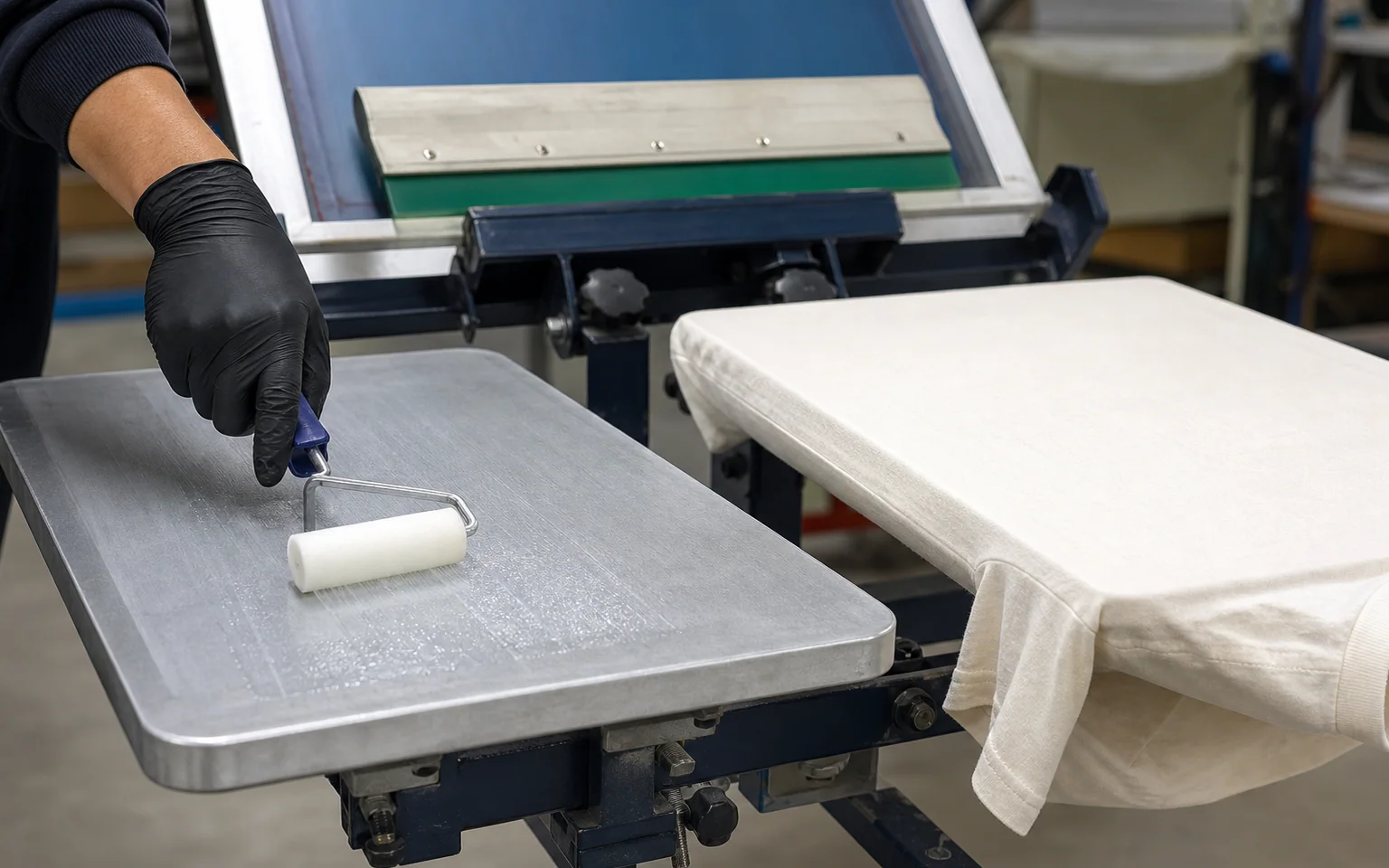
Application illustration of adhesive application and fabric positioning on a screen-printing platen 02

Platen Printing Positioning

Balance fabric hold, release, transfer, cleaning and repeated production cycles on the actual printing table.

Common substrates
Textile · Printing table surface · Carrier film · Selected process surfaces
Problems to screen
Fabric shifts during printing · Excessive tack · Adhesive transfer or residue · Holding drops after cleaning
Open application route
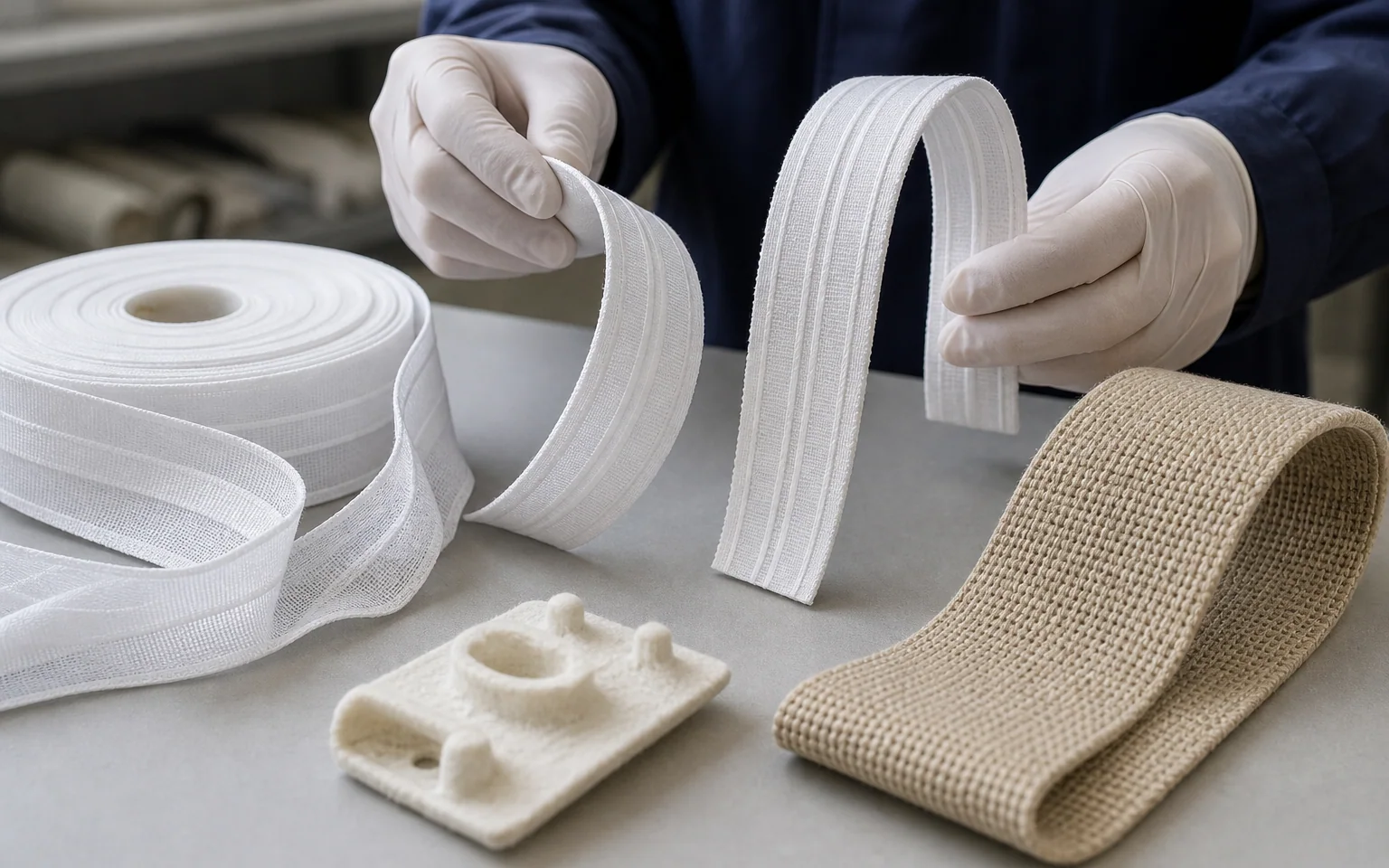
Application illustration of curtain tape, webbing and formed fiber samples being compared for stiffness 06

Textile & Fiber Stiffening

Match binder route to fiber construction, pickup, drying, target stiffness, flex recovery and aging checks.

Common substrates
Webbing · Curtain tape · Nonwoven and formed fiber · Polishing wheels · Selected fiberglass constructions
Problems to screen
Uneven stiffness · Brittle cracking · Powdering or fiber loss · Yellowing
Open application route
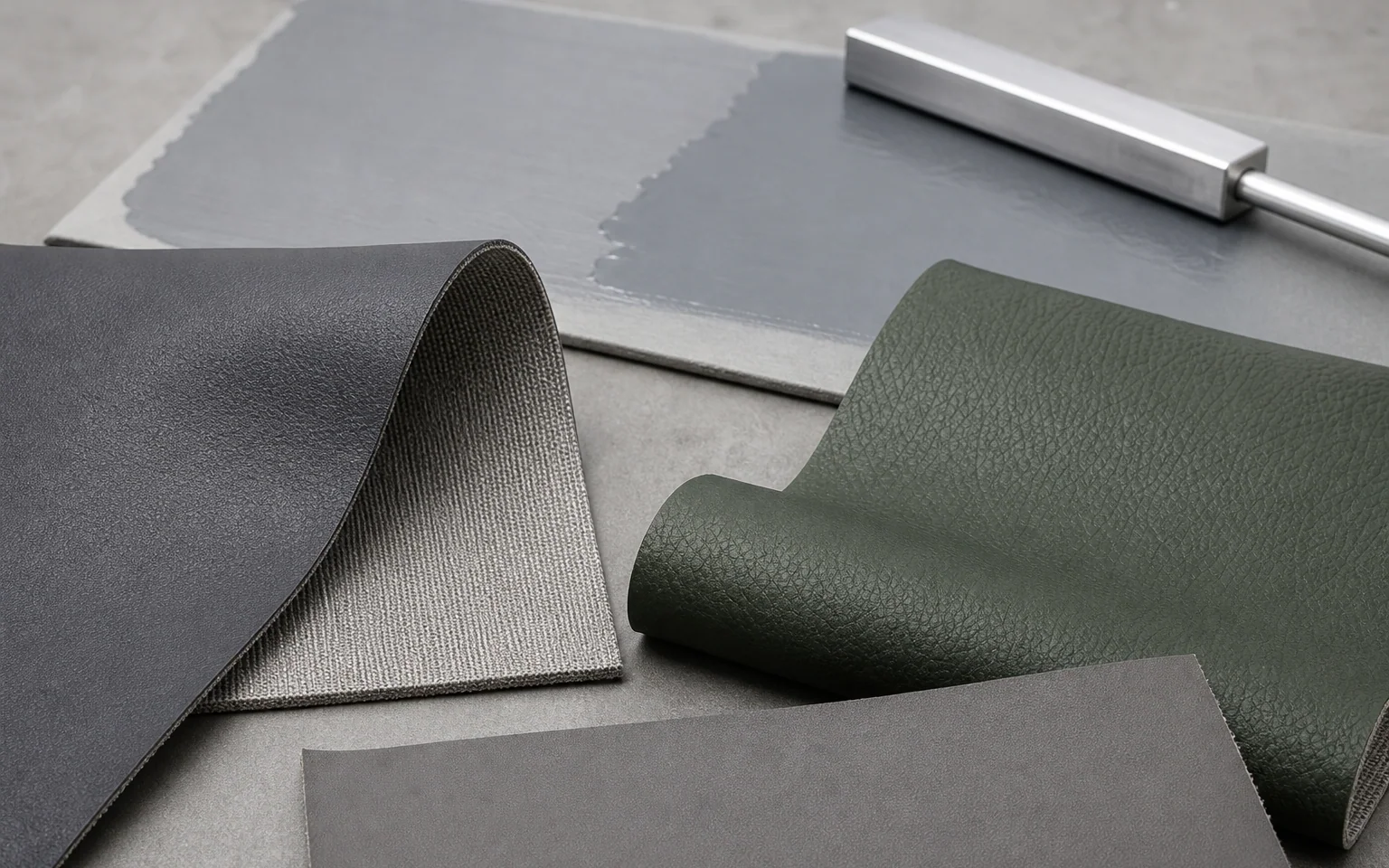
Application illustration of flexible synthetic-leather coating samples and a laboratory drawdown 07

Synthetic Leather & PU Surface Coating

Review layer position, formulation compatibility, hand feel, drying, blocking and final resistance tests.

Common substrates
Synthetic leather · Leather surface layers · Flexible coated fabric · Selected soft coating constructions
Problems to screen
Poor film formation · Tacky surface or blocking · Hand feel outside target · Compatibility loss
Open application route
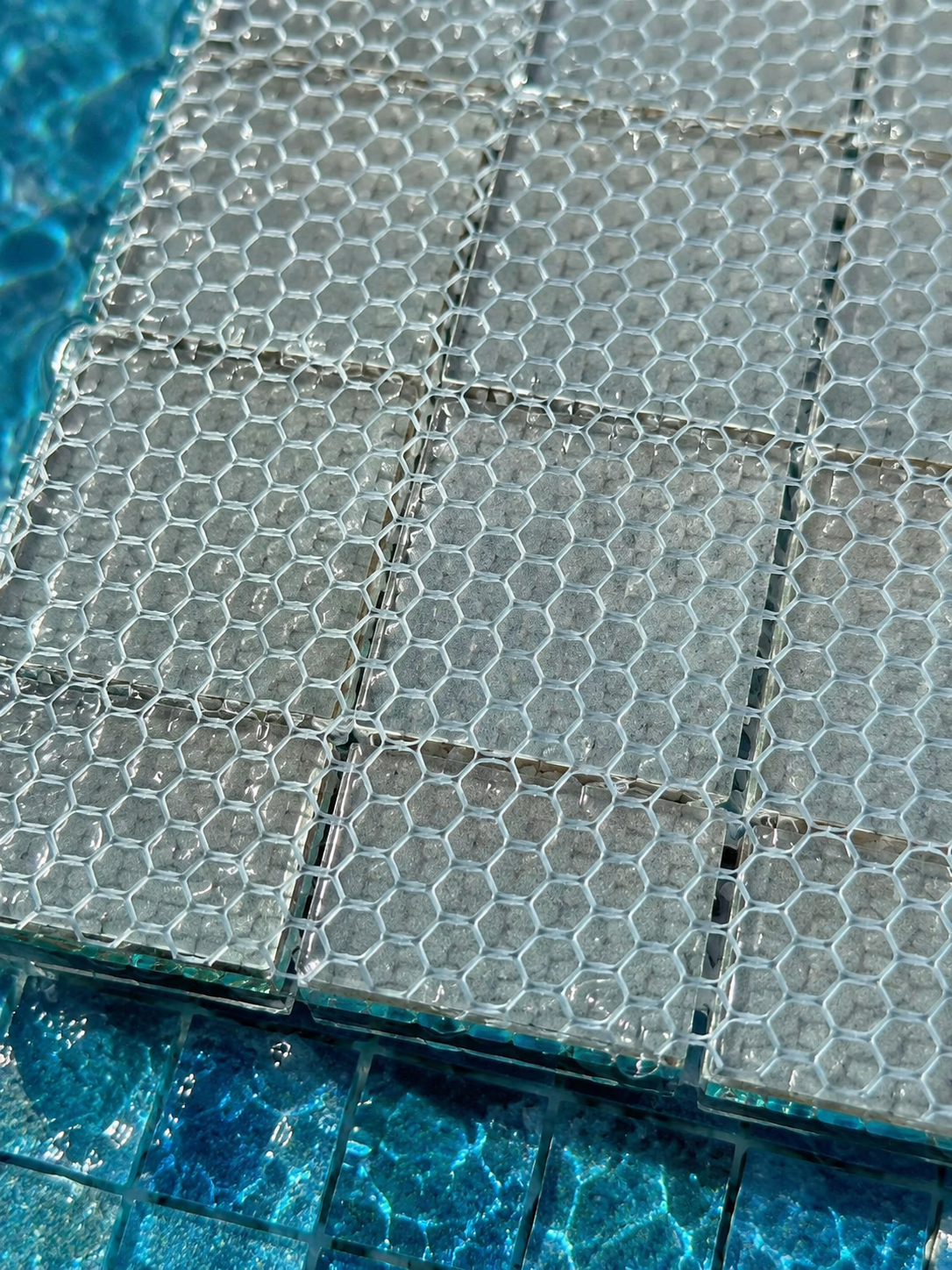
Mosaic mesh backing adhesive close-up 09

Mosaic Mesh Backing

Select by mosaic material, mesh, drying, soaking, wet cutting and polishing requirements.

Common substrates
Glass mosaic · Ceramic mosaic · Stone mosaic · Fiberglass mesh · Polyester mesh
Problems to screen
Whitening after soaking · Mosaic tile falling · Mesh release · Glass mosaic wet-out difficulty
Open application route
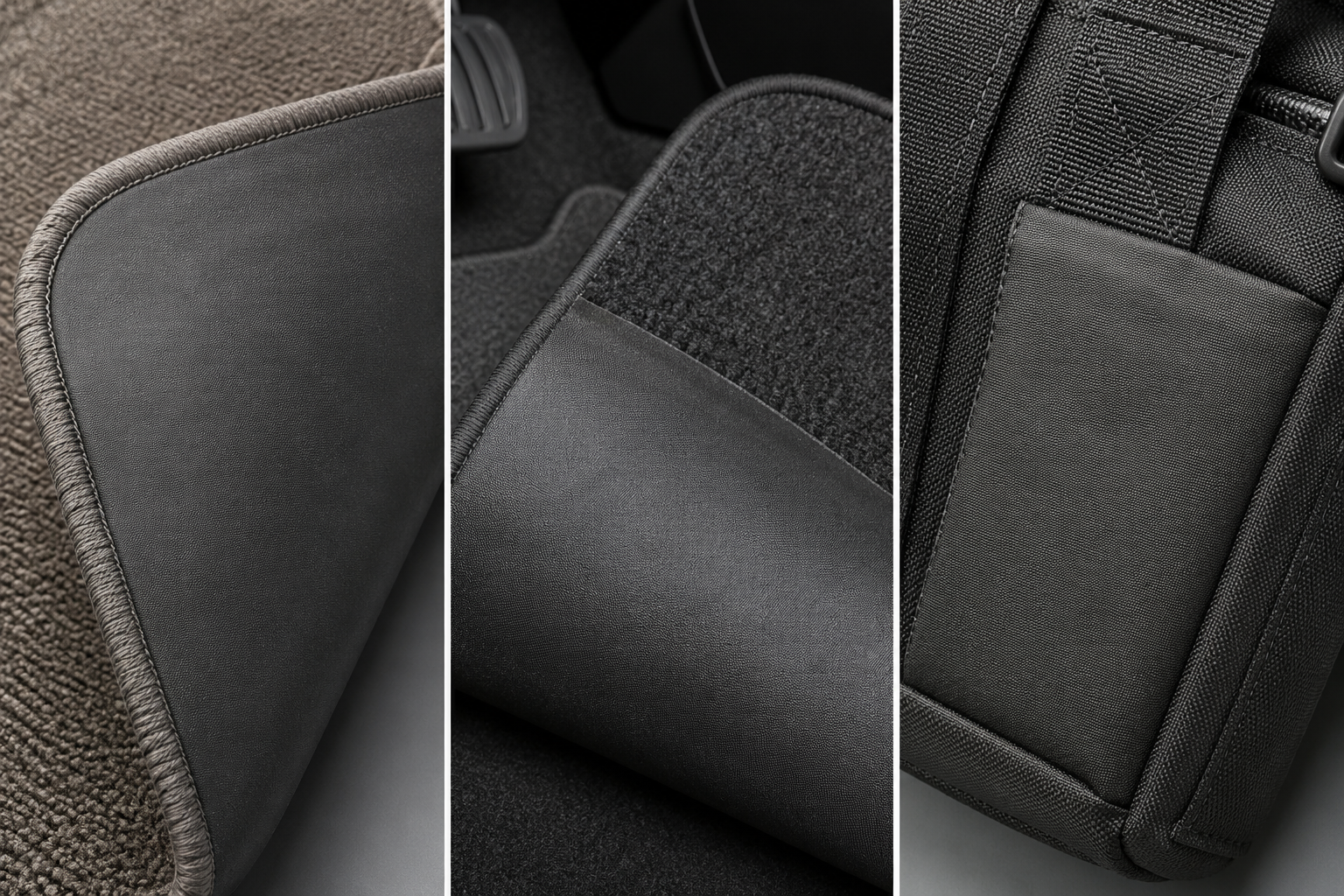
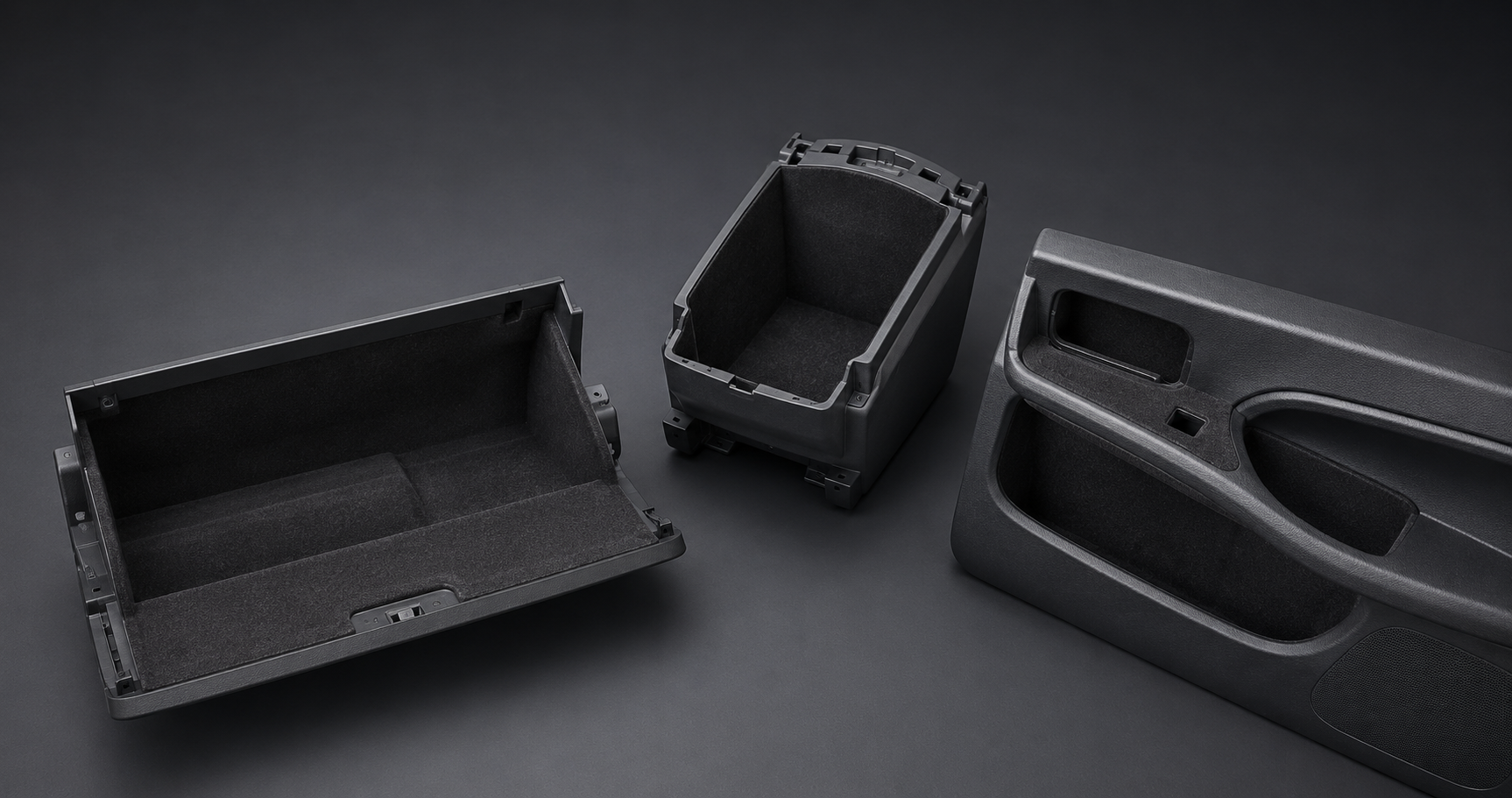
Flocked glove box, storage compartment and door trim for automotive interior applications 10

Automotive Interior Components

Use the real molded part to evaluate surface treatment, recess coverage, abrasion, odor and aging.

Common substrates
ABS interior parts · PVC components · Coated plastics · Composite trim · Storage and sliding parts
Problems to screen
Flock loss after repeated contact · Poor coverage in recesses · Weak bond on coated plastic · Appearance variation
Open application route
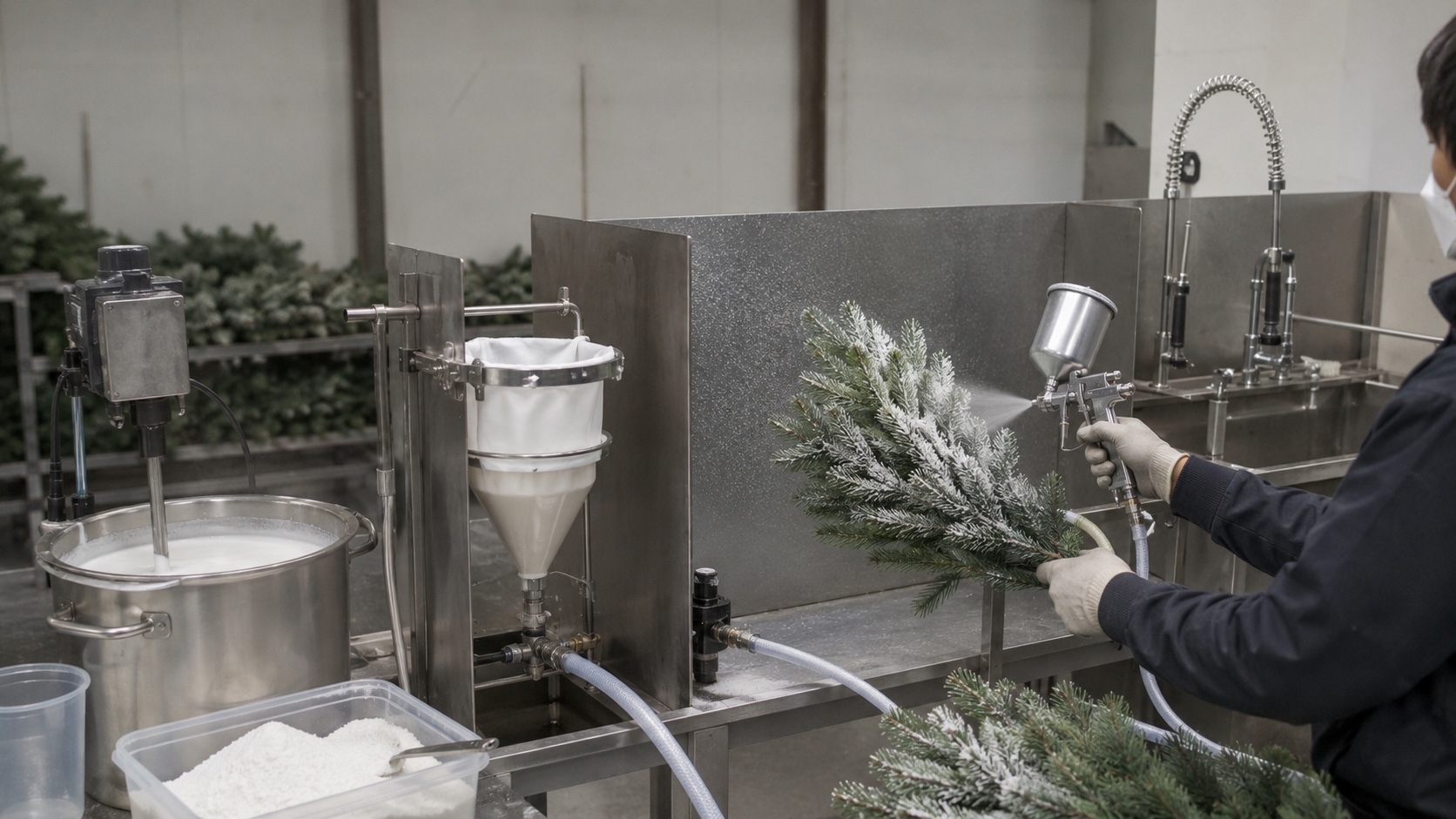
Artificial branch receiving decorative snow coating at a production workstation 11

Decorative Snow & Particle Fixing

Match snow powder, branch material, dip or spray process, drying and packing requirements.

Common substrates
Artificial PE branches · Selected PVC branches · Wreaths · Decorative vines · Tabletop trees
Problems to screen
Visible powder loss · Cracking during normal branch bending · Uneven snow coverage · Spray instability
Open application route
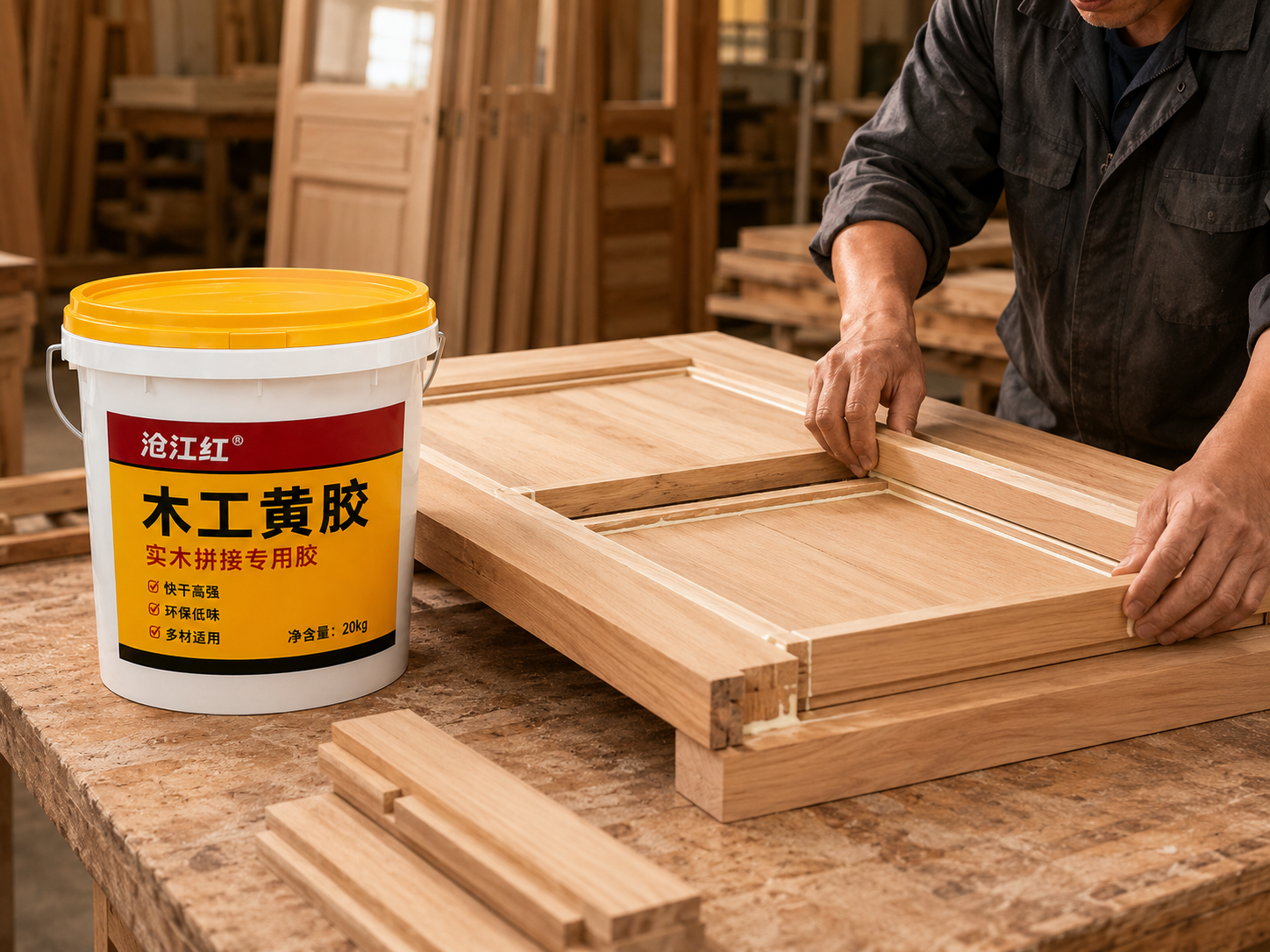
Woodworking adhesive application for solid wood joining 12

Woodworking & Furniture

Select the route by wood species, moisture, joint design, open time, pressing and the required bond test.

Common substrates
Solid wood · MDF · Plywood · Veneer · Furniture panels
Problems to screen
Open glue lines · Slow drying · Poor penetration · Joint failure
Open application route
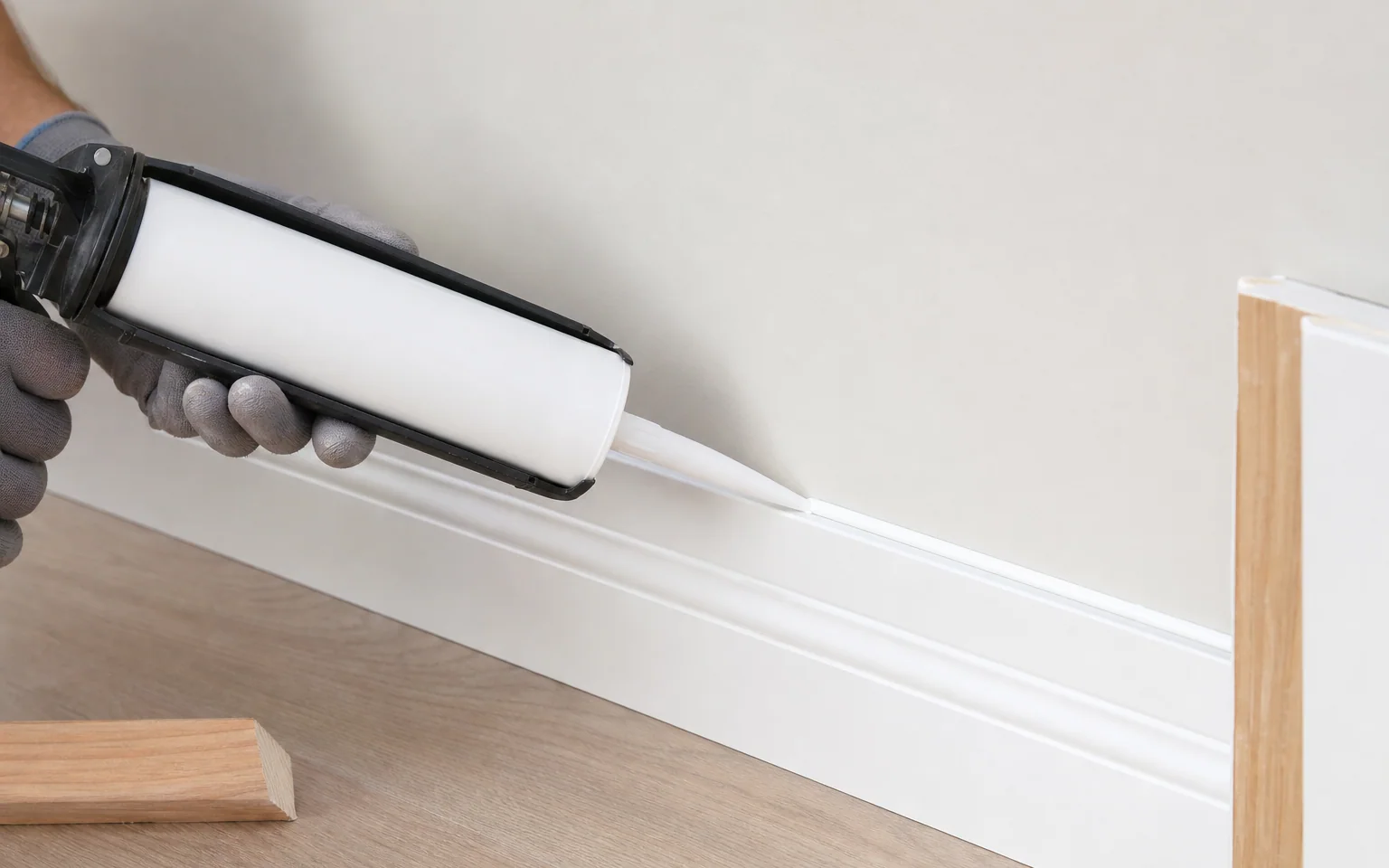
Application illustration of water-based sealant applied at an interior skirting-board joint 13

Interior Finishing & Gap Sealing

Start with joint movement, gap size, contact surfaces, drying and paintability before confirming a sealant model.

Common substrates
Wall panels · Skirting · Plaster and cement surfaces · Wood trim · Selected painted surfaces
Problems to screen
Cracking after drying · Poor adhesion at joint edges · Shrinkage or sunken bead · Slow drying
Open application route

How selection works

What we need before naming a product

A model number without these details is only a guess. Use the same information for sample requests and production troubleshooting.

01

Material

Identify both substrates, coatings, release agents, mesh, liner or backing material.

02

Process

Record application method, coat weight, line speed, open time, drying, pressing or rolling.

03

Failure or target

Describe residue, whitening, lifting, curling, flock loss, wet-out, wear or another acceptance point.

04

Test condition

Define dwell time, soaking, heat, humidity, abrasion, packing or service conditions.

Application not listed?

Send the material and current process.

We will identify the closest product family or explain what needs to be tested before a model can be recommended.