Test on real parts
Flocking Applications
Flocking adhesive selection depends on substrate surface energy, contamination, pretreatment, flock fiber, application method, abrasion, aging and compliance expectations.
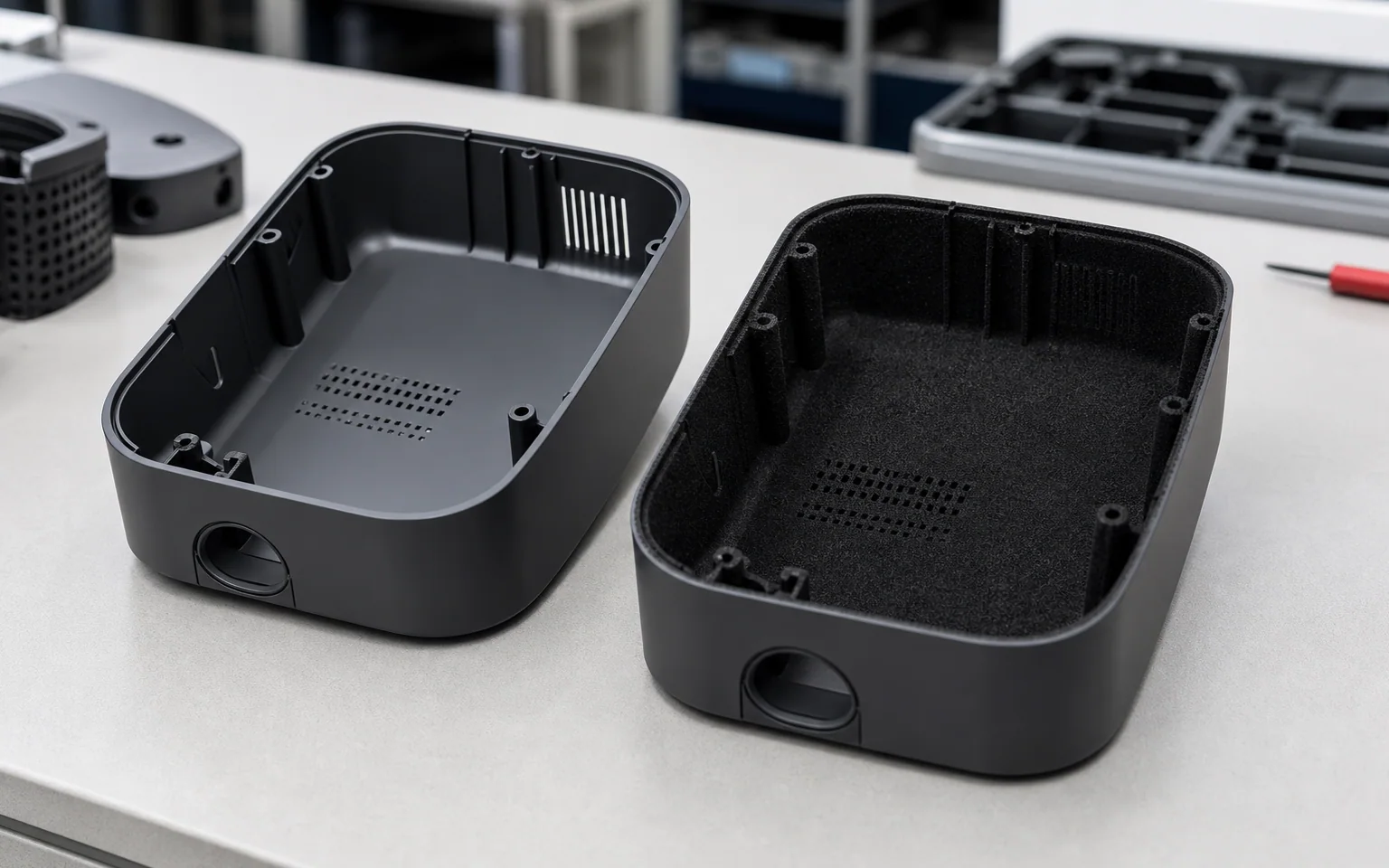
Application requirements
What the adhesive route needs to handle
Substrate surface energy and contamination checkFlock fiber and density confirmationPretreatment and curing windowAbrasion and aging checks
Common substrates
FoamPaperABSRigid PVCFlexible PVCPP / PEWood hangerMetalGlassAutomotive interior parts
Common failure problems
- Flock loss
- Poor adhesion on low-surface-energy plastics
- Plasticizer migration on flexible PVC
- Uneven density
- Insufficient abrasion resistance
Selection logic
Start with the use case, then narrow the route by substrate, process window and failure mode.
Substrate familySurface cleaningFlock fiberOpen time and film thicknessAging and abrasion target
Recommended product routes
- Foam flocking adhesive
- Paper flocking adhesive
- Plastic flocking routes
- Metal flocking adhesive
Sample request checklist
- Substrate
- Surface treatment
- Flock fiber
- Application method
- Target test
Testing suggestions
Record cleaning and pretreatment
Check flock loss, abrasion, heat aging and humidity aging
Recommended models
HF-5082
HF-5082 Foam Flocking Adhesive
Water-based foam flocking adhesive for sponge, toy parts and packaging inserts where penetration, hand feel and fiber anchoring must be balanced.
Review product fit PF-2561PF-2561 Paper Flocking Adhesive
Water-based paper flocking adhesive for gift boxes, greeting cards and paper crafts where absorption, pattern definition and paper deformation need to be controlled together.
Review product fit AF-4588AF-4588 ABS Plastic Flocking Adhesive
Water-based flocking adhesive for ABS housings and rigid ABS parts after surface cleaning and production-part testing.
Review product fit VF-4588VF-4588 PVC Plastic Flocking Adhesive
Water-based flocking adhesive for PVC toys, footwear materials and other PVC parts, with formulation and plasticizer effects included in testing.
Review product fit MF-3882MF-3882 Metal Flocking Adhesive
Water-based flocking adhesive for steel and aluminum alloy parts where surface preparation, spray coverage and repeatable drying must be evaluated together.
Review product fitRelated technical resources
Water-Based Flocking Adhesive Selection by Substrate
Flocking adhesive selection changes when the substrate moves from paper or ABS to flexible PVC, PP, PE, metal or glass.
Flocking Adhesive Film Thickness and Open Time
Flocking adhesive film thickness and open time affect fiber anchoring, surface feel, drying speed and failure risk after rubbing or aging.
Request a sample for this application
Send us your substrate, coating method and current bonding problem. We will suggest a sample route before sending detailed TDS.
Information to include
- Substrate
- Surface treatment
- Flock fiber
- Application method
- Target test