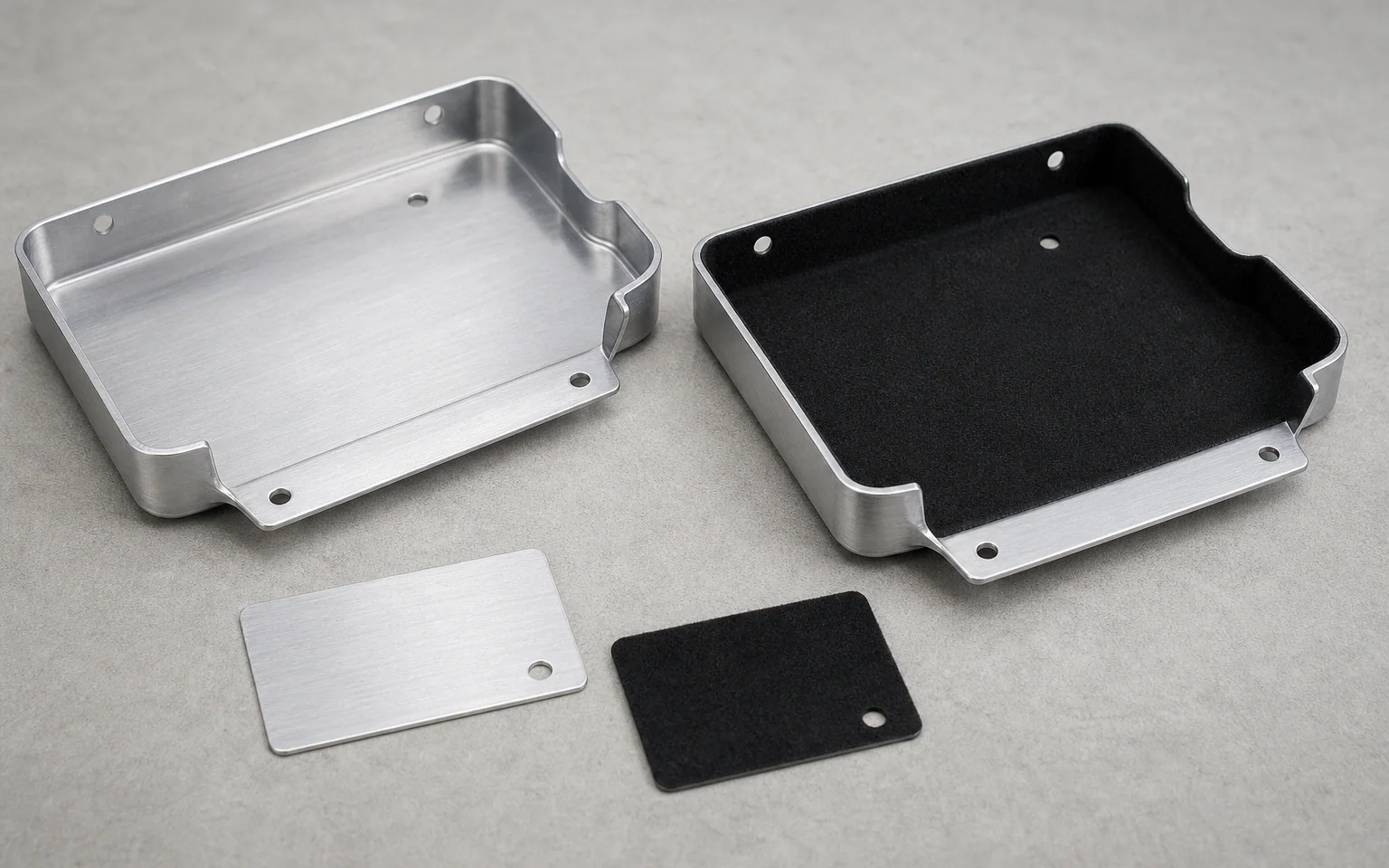
Use real metal parts, not only flat panels
Metal Flocking Adhesive
Metal flocking adhesive projects should start with cleaning, oxide control, pretreatment, flock length, adhesive film thickness and heat aging target.
Application requirements
What the adhesive route needs to handle
Oil and oxide removalPrimer or pretreatment reviewFlock anchoring after agingHeat exposure and service condition check
Common substrates
SteelAluminumStainless steelCoated metalHardware parts
Common failure problems
- Flock loss after heat aging
- Poor adhesion from oil or oxide layer
- Adhesive film brittleness
- Corrosion-related interface failure
Selection logic
Start with the use case, then narrow the route by substrate, process window and failure mode.
Metal surface conditionCleaning and primer routeFlock type and lengthHeat aging and abrasion target
Recommended product routes
- Water-based metal flocking adhesive route after surface review
- Primer-supported route when cleaning alone is not enough
Sample request checklist
- Metal type
- Surface cleaning method
- Flock fiber and length
- Coating weight and drying condition
- Heat aging requirement
Testing suggestions
Record cleaning method and film thickness
Run heat aging, abrasion and service-condition checks
Recommended models
Related technical resources
Water-Based Flocking Adhesive Selection by Substrate
Flocking adhesive selection changes when the substrate moves from paper or ABS to flexible PVC, PP, PE, metal or glass.
Why Metal Flocking Adhesive Fails After Heat Aging
Metal flocking failure after heat aging may come from surface contamination, oxide layer, film thickness, drying condition or the final service environment.
FAQ
Does heat resistance depend only on the adhesive?
No. It also depends on substrate, coating weight, drying condition, flock type and final service environment.
Request a sample for this application
Send us your substrate, coating method and current bonding problem. We will suggest a sample route before sending detailed TDS.
Information to include
- Metal type
- Surface cleaning method
- Flock fiber and length
- Coating weight and drying condition
- Heat aging requirement