Prepare the real joint rather than only a flat coupon
Water-Based Sealants for Interior Finishing
Water-based sealant selection should start with joint movement, gap size, substrate, paintability, drying condition and the finished appearance required indoors.
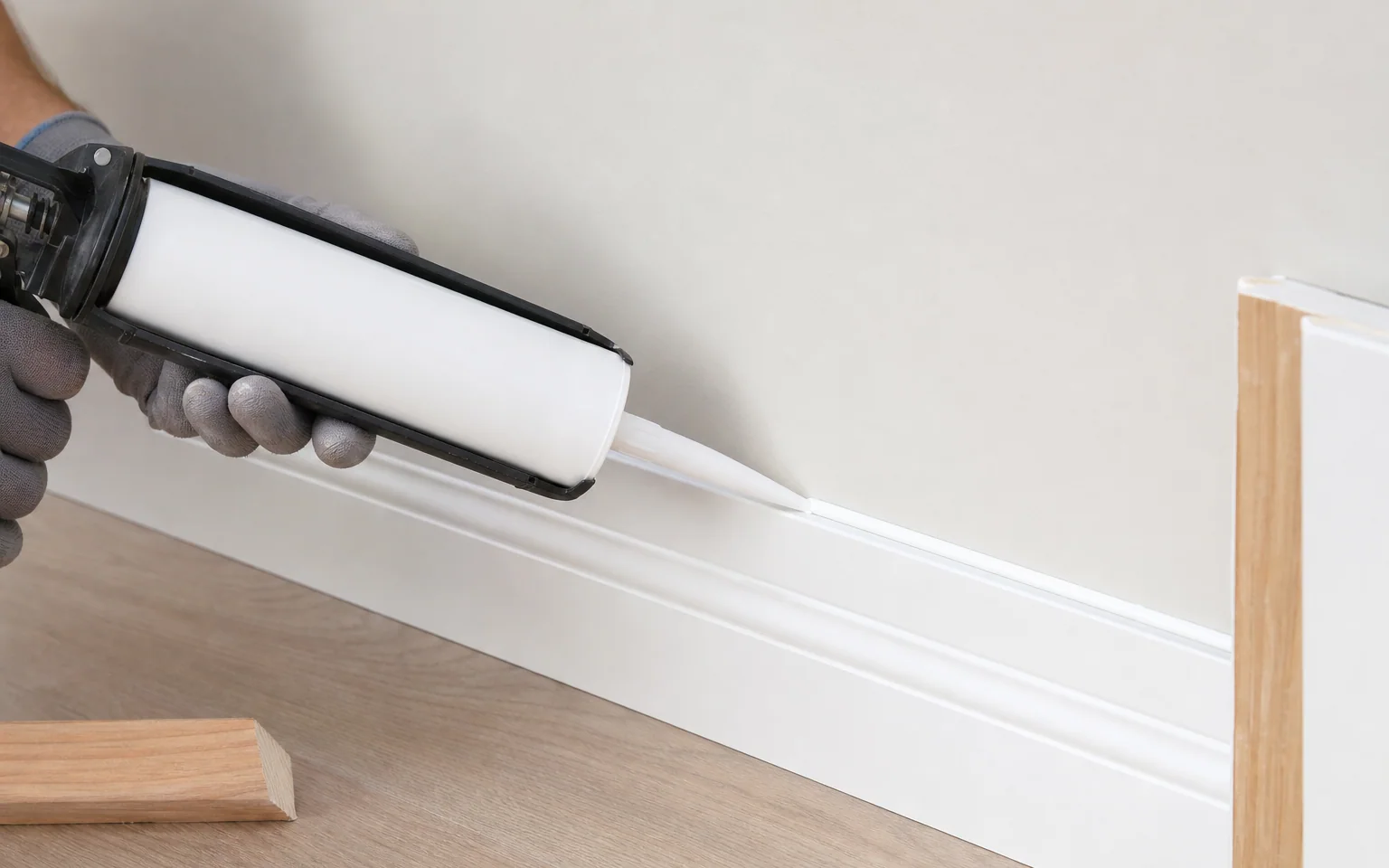
Application requirements
What the adhesive route needs to handle
Joint and gap dimensions confirmedSubstrate compatibilityDrying and paintability windowMovement and appearance target
Common substrates
Wall panelsSkirtingPlaster and cement surfacesWood trimSelected painted surfaces
Common failure problems
- Cracking after drying
- Poor adhesion at joint edges
- Shrinkage or sunken bead
- Slow drying
- Paint or surface incompatibility
Selection logic
Start with the use case, then narrow the route by substrate, process window and failure mode.
Static or moving jointGap width and depthIndoor humidity and ventilationPaintabilityColor and finish
Recommended product routes
- Application-matched water-based sealant after joint, substrate and finishing review
Sample request checklist
- Joint location and photos
- Gap width and depth
- Both contact surfaces
- Application and finishing method
- Paintability and movement requirement
Testing suggestions
Record bead size, drying and shrinkage
Check adhesion, cracking and paint compatibility after conditioning
Product route after application review
No model is listed for this application without reviewing the actual substrate and process. Send the items below and we will identify the closest sample route.
- Joint location and photos
- Gap width and depth
- Both contact surfaces
- Application and finishing method
- Paintability and movement requirement
FAQ
Can one water-based sealant cover every interior joint?
No. Joint movement, gap size, substrate, paint system and drying condition should be reviewed before a product model is confirmed.
Request a sample for this application
Send us your substrate, coating method and current bonding problem. We will suggest a sample route before sending detailed TDS.
Information to include
- Joint location and photos
- Gap width and depth
- Both contact surfaces
- Application and finishing method
- Paintability and movement requirement